

Missing British parrot returns speaking Spanish.
A British parrot named Nigel disappears for four years only to return speaking Spanish. Weird, huh!
Missing British parrot returns speaking Spanish. Read More »
A British parrot named Nigel disappears for four years only to return speaking Spanish. Weird, huh!
Missing British parrot returns speaking Spanish. Read More »

Scrabble, wordsmiths’ favorite game, has pretty straightforward rules and from time to time they get updated with the addition of new words. According to the latest update to the Scrabble dictionary, released by Merriam-Webster on September 2018, 300 new words were added and are now eligible to be played in a Scrabble game. The game
Scrabble rule change allows use of ‘OK’ and other newly added words. Read More »

Cats are nefarious, every cat owner will testify to that. They are known for their indifference to humans. A new study shows that cats do recognize their names, even if they choose to ignore you when you call them. This shows the extent to which cats have been ignoring us all this time.
Cats can recognize their names, but that doesn’t mean they care. Read More »

We call them all sorts of names: grammar nazis, pedants, grammar police, and sometimes prescriptivists. And now science says they are more than just that; they are jerks. A recent study has revealed that people who feel the urge to point out people’s grammatical mistakes online have less agreeable personalities than those who ignore them.
People who constantly point out grammatical mistakes are jerks, study finds. Read More »
When it comes to silent letters, English has many. They are there, standing firm, occupying space and charge you for extra ink but not pronounced at all. Many people hate them for being there and they fuss about why for god’s sake they are not pronounced. Well, there is a reason they are not pronounced
| əz ju ər ˈriːdɪŋ ðɪs | ju ər parˈtɪsəˌpetɪŋ ɪn wʌn əv ˈneɪtʃərz ˈɡreɪtəst ˈwʌndərz | ˈlæŋɡwɪdʒ | ˈlæŋɡwɪdʒ ɪz ə ˈmɪrəkl̩ |ˈɪt ɪz ˈbaɪ ˈfɑːr ðə moʊst ˈpaʊərfəl ˈtuːl ðæt hjuː ˈmænəti hæz | ˈæftər ɔːl wɒt ˌdɪˈstɪŋɡwɪʃəz əz frəm ˈænəml̩z ɪz ðɪs ˈswi:t ˈlɪtl̩ ˈθɪŋ wi kɔ:l ˈlæŋɡwɪdʒ | ˈbaɪ dʒəst məˈnɪpjəˌletɪŋ ði ˈeər
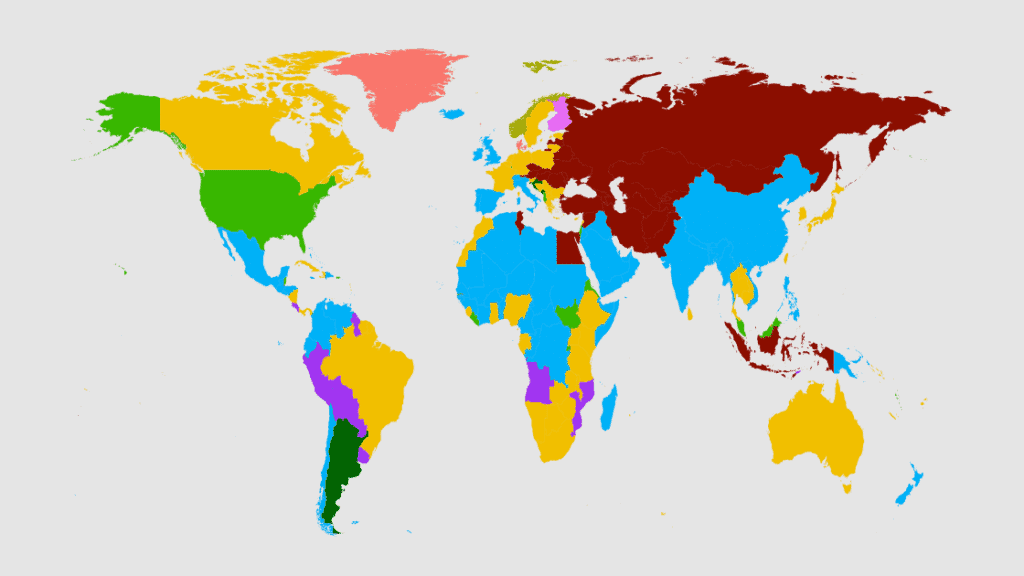
Duolingo, the popular language-learning service, has recently hit more than 300 million users, across all 195 countries. This is a huge user database that can reveal a lot about what languages people around the world are learning, and this is where things get interesting.
The languages the world is trying to learn, according to Duolingo. Read More »

You haven’t probably noticed, but the United States HAS slightly changed its name, so to speak. Some countries change their names over the course of time, but the way the US has done it is very different. We say different because the change is so subtle that is barely noticeable. Before the Lincoln administration, they
The grammatical change that took The United States from ‘are’ to ‘is’. Read More »

Languages have different phonetic inventories. Some languages use more sounds than others. A perceptually distinct sound unit is technically called a phoneme. Two sounds are different if they are perceived to constitute two distinct phonemes by native speakers. The following list ranks the most common languages by the number of sounds they use. It is
These Are The Languages That Have The Most Sounds. Read More »
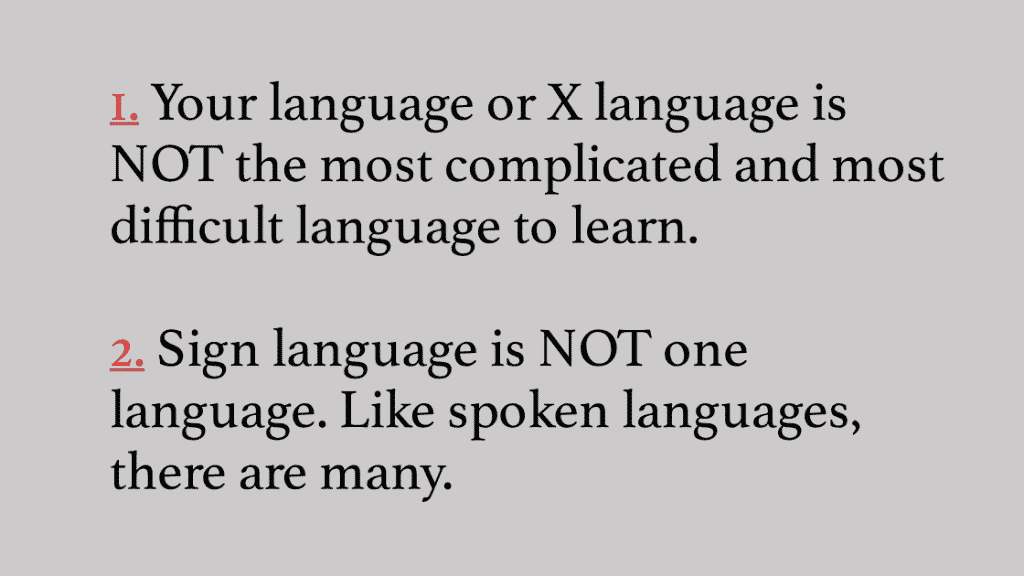
Not everything you know about language is true. When you study languages objectively, you start to realize that you’ve been wrong about almost everything you believed about them. Here is a list of some of the most common misconceptions about language that people have to reconsider:
12 Things Almost Everyone Gets Wrong About Language. Read More »